Antarctica · Itinerary and Expedition Information

Antarctic Peninsula

Aboard M/Y La Datcha · 28 November – 6 December 2026

CONTENTS

Antarctic
Exploration

Antarctica is a cruising ground like no other. Snow-capped mountains rise directly from the sea and tower overhead, glaciers end in thundering ice cliffs at the water's edge, leaving icebergs strewn across the fjords. Penguin colonies line the shores, seals bask on ice floes, and humpback, minke and orca whales can be spotted just offshore. The austral summer brings long hours of daylight and milder temperatures, but this is still an extreme environment: weather and ice shape the journey as much as the itinerary, so plans stay flexible to follow the best conditions.

The voyage starts in Punta Arenas, flying across the Drake Passage, between Cape Horn and the South Shetland Islands, in about two hours rather than the two days it takes by sea, to land on King George Island and join M/Y La Datcha. From there the yacht crosses the Bransfield Strait to the Antarctic Peninsula, where the coast is lined with channels, bays and fjords to explore.

Days combine time on the water and ashore: Zodiac cruising and paddling among icebergs, landings at penguin colonies, and visits to historic sites left by the pioneering sealers, whalers and explorers who followed the first sightings of Antarctica in 1820. Between outings, M/Y La Datcha is your basecamp, among the most comfortable places on the entire continent to relax and recharge, spot wildlife from the decks, or take in the constantly changing view as you cruise through this magnificent landscape.

ITINERARY

Aboard M/Y La Datcha · 28 November – 6 December 2026

Your itinerary is flexible to make the best of weather and ice conditions. Each day your Captain and Expedition Team will discuss options with the group to deliver a customized experience based on your preferences as you explore Antarctica.

ROUTE MAP

Map showing the approximate route planned for M/Y La Datcha in Antarctica. Each voyage is unique, planned around weather and ice conditions, so the actual itinerary and sites visited will vary.

Route Charter flight
Click to interact
Right click and drag or pull to get 3D
Arrival Day

Punta Arenas, Chile

Arrive in Punta Arenas, a historic port city on the Strait of Magellan, and transfer to your hotel. This evening there will be a briefing on travel to Antarctica, including an update on the estimated flight departure time.

The charter flight is scheduled to depart Punta Arenas on November 28th, with the departure time to be confirmed. Timing depends on the weather in Antarctica on the day, so flexibility is required and our team on the ground will provide regular updates. In some cases, the weather may delay departure by several hours or even a day. Booking two hotel nights in Punta Arenas (the night before and the night of the scheduled departure) allows you to keep your room as long as required.

Day 1

King George Island, Antarctica

Transfer to the airport for your flight to King George Island, Antarctica. Departure time is subject to weather in Antarctica, but once airborne, flying time aboard this specially equipped aircraft is just 2 hours.

Crossing the Drake Passage by air instead of sea provides a safe, fast and efficient crossing of this infamous stretch of water, often cited as one of the roughest seas on Earth. The use of a multi-engine jet aircraft cuts the crossing down from two days to just a couple of hours as you fly directly from Punta Arenas to King George Island.

Land on the airstrip belonging to the Chilean 'Presidente Eduardo Frei M.' base and transfer to M/Y La Datcha. After settling in on board and briefings on Antarctic safety, the yacht departs towards the Antarctic peninsula and the first expedition landings of the voyage.

Days 2-8

Examples of sites you may visit during your voyage

South Shetland Islands

In addition to King George Island, you may visit some of the other islands in the group. These wildlife-rich islands are on the edge of the Drake Passage at the northern extent of Antarctica. Numerous penguin colonies, seals and seabirds inhabit the islands and the South Shetlands have an interesting history from the sealing and whaling eras.

Deception Island

Deception Island is the flooded caldera of a volcano that last erupted in the 1970s. As well as fascinating geology and a history of shore-based whaling, the island is home to one of the region's largest chinstrap penguin colonies.

Antarctic Sound &
the Weddell Sea

Known as Iceberg Alley, Antarctic Sound is at the very northeastern point of the Antarctic Peninsula, where large tabular icebergs drift in the Weddell Sea. We may land and visit Adélie penguin colonies at Paulet Island, Brown Bluff, Devil Island, or elsewhere in the area.

Explore the fringes of the Weddell Sea on the eastern side of the Antarctic Peninsula and search ice floes for emperor penguins, which breed on nearby Snow Hill Island during the winter. The magnificent adult birds are hard to find during the summer months when their colonies have dispersed but there is the chance of finding a newly fledged juvenile resting on the ice.

The Danco Coast &
Gerlache Strait

On the western side of the Antarctic Peninsula, spend several days exploring the numerous islands and channels of this breathtakingly scenic area. Around these islands, visit gentoo penguin colonies and cruise with the yacht and tenders amongst icebergs, past immense glaciers and ice cliffs. Many whales can be seen including humpback, minke and orca and multiple species of seal are abundant.

M/Y La Datcha may visit highlights such as Paradise Bay, Errera Channel, Neko Harbour, Port Lockroy, Lemaire Channel, Petermann Island and Booth Island. The choices are many, and all offer interesting landscapes and wildlife experiences.

Day 9

Disembark

King George Island
to Punta Arenas

At the end of your expedition on December 6, M/Y La Datcha will return to King George Island for your flight back to Punta Arenas. As with your arrival flight, departure time will depend entirely on Antarctica's highly variable weather. When the weather window opens, transfer from the yacht to the airstrip at the Chilean airbase to board a charter aircraft for the 2-hour flight back to Punta Arenas.

EXPEDITION ACTIVITIES

The Expedition Leader offers versatile, active options each day based on the conditions and interests of the group.

Landings

Step ashore to experience this remarkable landscape by foot, visit penguin colonies, historical sites or just go for a short hike.

Tender cruising

Navigate among icebergs and along rugged coastlines or view marine wildlife in their natural element.

Paddle Sports

Explore sheltered waters at a quieter pace, taking in the surrounding scenery from as close to sea level as it gets.

Polar plunge

Take an exhilarating dip in Antarctic waters for a memorable, albeit extremely brief, immersion in the polar environment.

Scenic cruising

Enjoy views of dramatic glaciers, icebergs and mountains from the comfort of the vessel as it navigates Antarctic waters.

Wildlife watching

Observe penguins, seals, whales and seabirds in their natural habitats, with opportunities to learn about their behaviour and adaptations to polar life.

Helicopter

Take to the air for a different perspective on Antarctica’s vast ice fields, rugged mountains and landscapes. A helicopter will be based on board, available for sightseeing flights throughout the expedition. A helicopter briefing will be given once on board and flights are subject to weather conditions as well as environmental guidelines on where flights can take place.

Helicopters provide a thrilling way to
experience Antarctica from a bird's-eye view!

What to Bring

Conditions in Antarctica can be severe and inhospitable and suitable clothing is necessary to protect you from the elements. Please carefully review the information below and the following gear list to ensure you pack accordingly.
Summer temperatures around the Antarctic Peninsula are typically just above freezing during the day and just below freezing during the night. Expect morning lows of about -5°C (20°F) and daytime highs of around +7°C (45°F). Bear in mind that strong winds and sea spray can make these temperatures feel significantly colder.
Dress typically consists of casual and practical clothing. The clothes you would bring on a ski holiday are a good guide; layers of warm clothes to wear on landings, warm casual clothes for wearing on board, and a warm jacket to wear on deck. For landings, we recommend dressing in layers to allow you to adjust your insulation during changing conditions.

Typical dress for a landing · Top

Typical dress for a landing · Bottom

EYOS Gear

EYOS Expeditions works with the most experienced polar expedition outfitting service, offering a full range of Antarctic clothing. A complete package may be purchased, or simply the components you require. New Headings offers rental boots and other expedition gear in Punta Arenas. Please visit the website for further details: eyos.newheadings.com

Gear List

Clothing
Outerwear
Footwear

Muck Boots will be provided on board (please let us know your shoe size) but if you prefer to bring your own, recommended types are:

https://www.muckbootcompany.com/
Models: Arctic Sport Tall, Arctic Ice Tall, Arctic Outpost Tall

https://www.bogsfootwear.com
Models: Classic High, Classic Ultra High, Bozeman Tall

Equipment
Binoculars
  • A quality pair of binoculars is essential for viewing distant wildlife and birds, and you’ll find yourself using them frequently throughout the expedition.
  • Image-stabilized binoculars are an excellent choice. Kite Optics offers field-tested image-stabilized models that are highly recommended by EYOS staff. Visit usa.kiteoptics.com for more information and 10% discount for EYOS guests - enter promo code EYOSKITE10 at check out

Recommended Reading

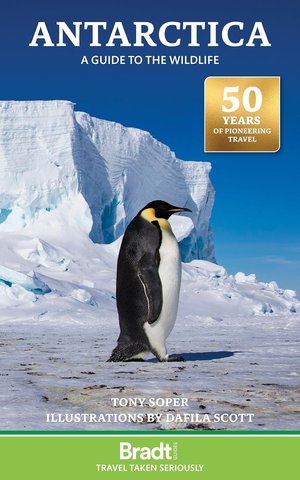
Antarctica: A Guide to the Wildlife
by Tony Soper · 8th Edition
Our favourite guide. Designed for the field, this compact handbook features all of the species of birds, seals and whales a traveler is likely to encounter on an Antarctic voyage.
Find the book →
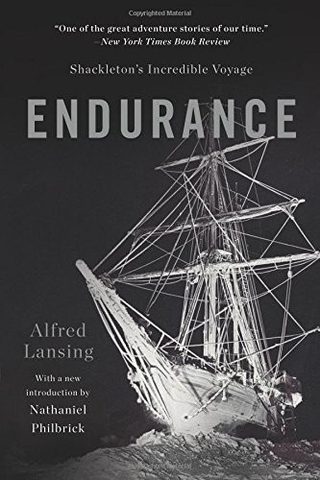
Endurance: Shackleton's Incredible Voyage
by Alfred Lansing
Lansing's gripping day-by-day story of Shackleton's legendary perseverance is essential reading for any Antarctic traveler. This 100th anniversary edition is outfitted with maps, an expanded selection of Frank Hurley's photographs and an introduction by Nathaniel Philbrick.
Find the book →
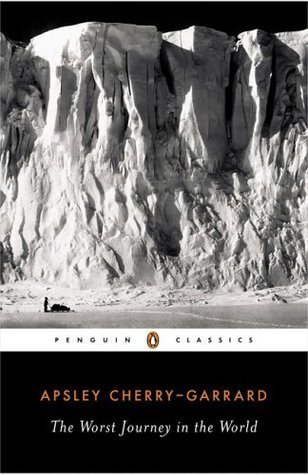
The Worst Journey in the World
by Apsley Cherry-Garrard
Blending scientific ambition and human resilience, this masterpiece of polar exploration literature provides an account of the British Antarctic Expedition, a winter sledging trip for Emperor penguin eggs and Scott's race to the South Pole.
Find the book →
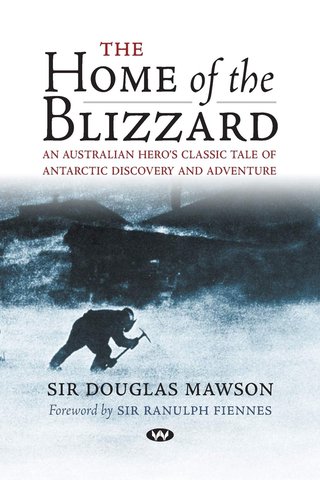
The Home of the Blizzard
by Sir Douglas Mawson
Mawson's gripping account of the struggle for survival with the Australian Antarctic Expedition with great tales of Antarctic discovery, adventure, courage, epic rescues and heroic endurance.
Find the book →

Antarctica: An Intimate Portrait of the World’s Most Mysterious Continent
by Gabrielle Walker
Referred to as a "warm look at a cold place", Walker provides a more-modern and respectful exploration of the 7th continent's history, geography, wildlife and ice in this Antarctic primer.
Find the book →
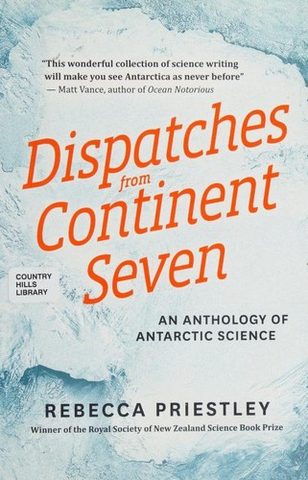
Dispatches from Continent Seven: An Anthology of Antarctic Science
by Rebecca Priestley
From fascinating fossil evidence to the reasons behind Antarctica's surprising number of meteorites, this scientific anthology reveals over 200 years of research on Antarctica.
Find the book →

The Last Place on Earth: Scott and Amundsen's Race to the South Pole
by Roland Huntford
Igniting huge controversy when it first appeared, Huntford's rousing dual biography contrasts Amundsen's well-planned campaign to achieve the Pole with Scott's ill-fated quest.
Find the book →
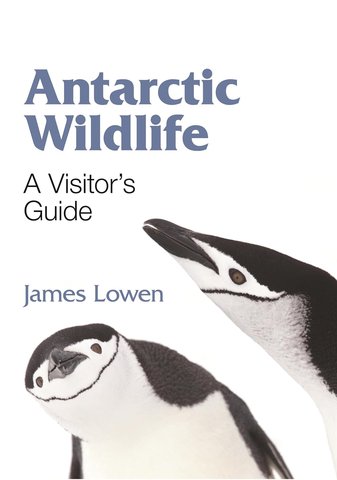
Antarctic Wildlife: A Visitor's Guide
by James Lowen
A richly illustrated field guide that introduces readers to the remarkable wildlife of the Antarctic Peninsula, Drake Passage and Beagle Channel. Featuring detailed species descriptions, colour photographs and practical identification tips, it helps readers recognise penguins, seals, whales, seabirds and other wildlife they may encounter during an Antarctic expedition.
Find the book →

Recommended Viewing

Frozen Planet II
Frozen Planet II
BBC · 2022
Episodes 1: Frozen Worlds, 2: Frozen Ocean, 4: Frozen South (especially) and 6: Our Frozen Planet will give great visual context for your upcoming expedition. This 6-part series, narrated by David Attenborough, explores the habitats, wildlife, global significance and fragility of the polar regions.
Where to watch →
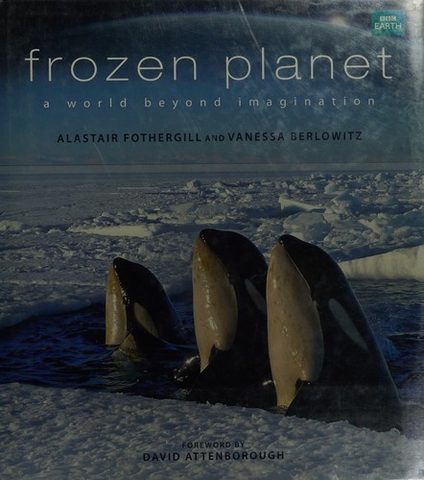
Frozen Planet
Frozen Planet
BBC & The Open University · 2011
A 2011 British nature documentary series, co-produced by the BBC and The Open University. It was filmed by the BBC Natural History Unit. The seven-part series focuses on life and the environment in both the Arctic and Antarctic. The production team were keen to film a comprehensive record of the natural history of the polar regions because climate change is affecting landforms such as glaciers, ice shelves, and the extent of sea ice.
Where to watch →
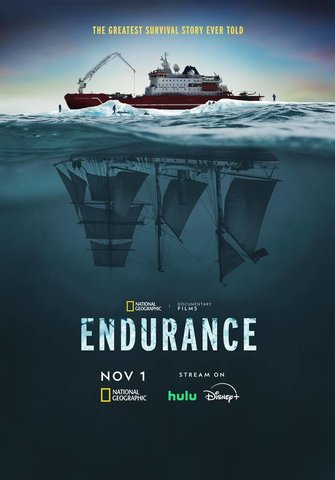
Endurance
Endurance
National Geographic Documentary Films · 2024
The film combines archival film and photographs captured by expedition photographer Frank Hurley from Ernest Shackleton's legendary 1914 Imperial Trans-Antarctic Expedition with the story of the discovery of the wreck of the Endurance in the Weddell Sea.
Where to watch →
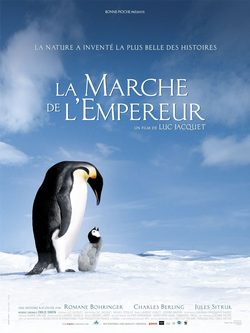
March of the Penguins
dir. Luc Jacquet · 2005
A 2005 French feature-length nature documentary directed and co-written by Luc Jacquet, and co-produced by Bonne Pioche and the National Geographic Society. The documentary depicts the yearly journey of the emperor penguins of Antarctica.
Where to watch →
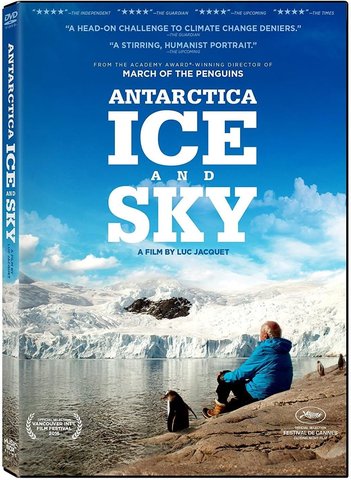
Antarctica: Ice and Sky
dir. Luc Jacquet · 2015
This biographical documentary chronicles the life and work of French glaciologist Claude Lorius, the first researcher to discover the link between greenhouse gasses and global warming. Take a closer look at ancient ice cores and air bubbles trapped deep within Antarctic ice.
Where to watch →

Happy Feet 1 & 2
Happy Feet 1 & 2
dir. George Miller · 2006 & 2011
For the younger viewers. Explore the Antarctic environment through the adventures of a tap-dancing Emperor penguin named Mumble while he quests to solve Antarctic emergencies from fish supply issues to iceberg entrapments.
Where to watch →
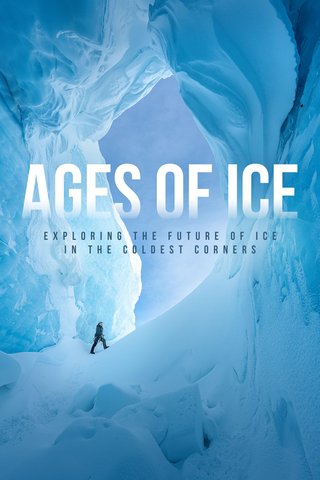
Ages of Ice
Ages of Ice
PBS Documentary Series · 2026
A three-part series that explores modern research of glacier movement, ice sheets, climate regulation by the polar oceans, Antarctic krill populations, air-eating microbes in Antarctica and many other topics.
Where to watch →
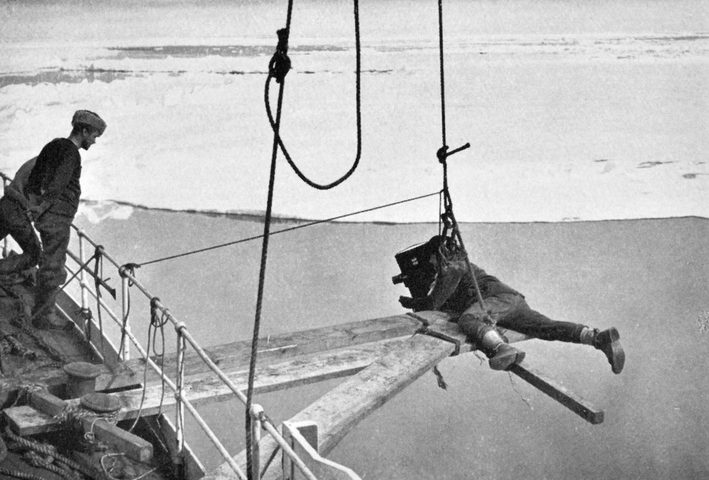
The Great White Silence
Herbert Ponting · 1924
A 1924 English documentary that contains brief cinematograph sequences taken during the Terra Nova Expedition of 1910–1913. The principal filmmaker was photographer Herbert Ponting. Originally a silent film, the documentary was restored and re-released in 2011 by the British Film Institute with a musical soundtrack by Simon Fisher Turner.
Where to watch →

Photography Tips

Special considerations for photography in Antarctica.

  • A super-wide lens is recommended for capturing the vast landscapes.
  • Photographing distant wildlife such as whales or seabirds may require a fast, long lens or high zoom function. Image stabilized lenses are recommended.
  • Because cold temperatures sap battery power, carry batteries close to your body to keep them warm, and carry spares.
  • Protect your photographic gear from the elements. Rain and sea splash make waterproof bags essential.
  • Always have your camera on a strap to avoid dropping it on deck or in the sea.
  • Consider the weight of photo equipment you plan to carry ashore.
  • A tripod is useful ashore but not practical for use on board the moving vessel. A monopod or beanbag can be useful to stabilize images taken from the vessel.
  • Uploading large numbers of photos or video to the cloud may not be possible during the expedition due to limited internet speed on board, so plan on keeping your photos on your phone or computer.
Use of Remotely Piloted Aircraft Systems

The term Remotely Piloted Aircraft Systems (RPAS) is used for any remote piloted aircraft, these are also referred to as a drone or UAV (Unmanned Aerial Vehicle). We would like to remind all travelers to Antarctica who are hoping to fly a RPAS / UAV / drone that IAATO Members have agreed to a ban on the recreational use of these aircraft in Antarctica. As EYOS is an IAATO member, and the yacht will be operating under EYOS' membership, we will abide by this ban.

Your Guides

Expedition Leader

Martin Enckell

After learning that his father worked for Jacques-Yves Cousteau aboard the famous ship Calypso, Swedish-born Martin Enckell insisted on learning to dive right away. His training started at the age of 12 with Israeli navy divers in the Red Sea, and since that time he has successfully combined his love of travel with his love of nature.

Martin began his career at sea 20 years ago and has been on the move since then, having stood at the Geographical North Pole seven times, spent long over a year in the Drake Passage, and since 1999 has been returning every year to the Antarctic and the high Arctic. Martin works as Expedition Leader, Zodiac Driver and Dive Master.

Based for 18 months in the Maldives, but wanting to specialize in the colder waters of the world, Martin and his brother started a polar SCUBA diving program, successfully guiding diving excursions in the Antarctic Peninsula, South Georgia and the Falkland Islands. Commercially Martin worked as safety diver on the feature film Harry Potter and the Goblet of Fire and led the underwater filming team of Sir David Attenborough’s film, Penguin Island. He was the Expedition Leader for the BBC’s Blue Planet II in Antarctica, and was the field coordinator for the NHK Polar Stories series.

Enjoying the contrast of the Polar Regions and the tropics, Aldabra in the outer Seychelles, Africa and Madagascar continue to pull Martin to the Indian Ocean year after year. Still, by choice, most of his time has been spent in the Antarctic and the Arctic; along with the Canadian Maritimes, Iceland, Norway and Greenland. In the Arctic Martin has explored both the west & east coasts of Greenland, the Canadian Arctic, Franz Josef Land, Novaya Zemlya, White Sea, Sea of Okhotsk, Northwest Passage and Svalbard, where he tries to return year after year.

Expedition Guide

Catherine Buckland

With over a decade of experience working on expedition ships across Antarctica, South Georgia, and the Falkland Islands, Catherine brings a deep knowledge of the region and a wealth of practical expertise to her role as Expedition Leader. Her diverse background in the marine sector made the transition into expedition tourism a natural progression.

Catherine began her career as a Commercial Diver, an intensive profession that demands a broad and highly transferable skill set. She is a qualified commercial skipper, diver medic, and radio operator, among other certifications. These capabilities have enabled her to take part in numerous high-profile and logistically complex projects.

From supporting a world-record cold water swim attempt around Cape Horn to contributing to the first-ever live 4K broadcast from Antarctica, Catherine has consistently demonstrated her ability to manage challenging operations in extreme environments. Her role often requires balancing client ambitions with safety and feasibility, especially when expeditions include helicopter operations, submersible dives, or ski-based activities.

As Expedition Leader, Catherine is passionate about delivering exceptional experiences for adventurous travelers. Her leadership, combined with the unique capabilities of EYOS vessels, ensures that each voyage through the Antarctic is not only safe and seamless, but also unforgettable.

Ice Pilot

Fia Wistrand

Fia grew up in Gothenburg with the sea as her neighbor. Wishing to combine the sea and travels as a profession, she earned a degree in Nautical Science at Chalmers University of Technology, and obtained her OOW license in 2015.

Fia did her first polar expedition in 2015, a seven week long scientific research expedition to the area around the Petermann Fjord in Northwestern Greenland. Later that year she completed her first voyage to Antarctica with Lindblad Expeditions on the expedition cruise ship National Geographic Orion. After nearly five years as a bridge officer and captain with Lindblad Expeditions exploring the world, she went in to yachting and took over as captain of the expedition yacht Nansen Explorer.

As a bridge officer and captain, Fia has completed expeditions during five Arctic seasons and six Antarctic seasons, and has explored destinations such as Greenland, Svalbard, Alaska, the Russian Far East, Iceland, Northern and Southern Europe, South America, Antarctica, and the South Pacific.

Life on Board

Yacht: M/Y La Datcha

La Datcha

Accommodations

La Datcha offers luxury accommodation for up to 12 guests across six elegant cabins, including two master cabins and one VIP cabin

Audio/Visual

La Datcha features state-of-the-art audio and video equipment with widescreen 4K TVs in all cabins and public areas, allowing you to enjoy new and popular Movies and TV Shows, listen and stream music and video from all your devices.

Bridge

La Datcha has an open bridge, where you are always welcome to visit.

Clothing

There is no dress code aboard La Datcha, so please feel free to dress as you choose. Normal clothing on board is casual attire, suitable for the cruising destination. Some guests choose to dress a little more smartly for dinner, but this is entirely up to you. Please see the What to Bring section for more specific guidelines to assist your packing preparations.

La Datcha

Communications

There is Wi-Fi access in all cabins and indoor public areas. Note that the Internet will be connecting via Starlink connection, and while speeds experienced on board are good, they may be below typical connection speeds experienced on land.

Disabled Persons

La Datcha is not wheelchair accessible; however, a lift is available serving all decks to assist less able guests.

Guests with special requirements are kindly asked to contact us in advance so we can assist where possible.

Immigration

Please check all visa and immigration regulations, and any required vaccinations carefully as these are your responsibility.

Laundry

Laundry service is available free of charge; however dry cleaning is not available.

Health and Wellness

Guests can relax in the on-deck Jacuzzi or visit the wellness centre, featuring a sauna, steam room, and ice fountain for an invigorating contrast shower. A dedicated treatment room is open for professional massage therapies.

La Datcha has a full-service gym with a cross-trainer, treadmill, exercise bike, dumbbells and a state-of-the-art ‘Technogym Kinesis Personal’. Yoga and Pilates instruction is also available.

Meals

All meals are freshly prepared by our chefs using the finest available ingredients.

Please advise us well in advance of any special dietary information, allergies or preferences.

Meals are complemented by an extensive selection of high-end wines and spirits.

Medication

The vessel has a well-equipped medical suite, however there is no doctor available on board. The Captain and Officers are well trained in first aid and shipboard medicine. Please ensure that you bring any medication you might need with you.

Power

On board power is 220 V, with European sockets. European to world adapters are available for all locations.

Safety

In accordance with the International Convention for Safety of Life at Sea (SOLAS), a full safety briefing will be conducted at the beginning of each voyage.

Smoking

The interior of La Datcha is strictly non-smoking. There are designated smoking areas on the vessel’s open decks.

Tender Operations

La Datcha has two zodiac tenders for remote coastal landings, a multi purpose beach lander and a large RIB for watersports and sightseeing adventures. As well as a luxury limo tender for comfortable guest transfers.

Watersports

An extensive range of watersports and toys are available all year-round; kayaks and paddleboards offer an intimate experience on the water. Jet skis, wakeboarding, tubing or fishing will also be available where permitted.

Videography

The onboard videographer will capture footage of special moments during your trip, presented to you in a video at the end of your stay. You will also receive this video on branded USB Flash Drive.

IAATO, International Association of Antarctica Tour Operators
Developed by IAATO

Visitor
Guidelines

Recommendation XVIII-1, adopted at the Antarctic Treaty Meeting, Kyoto, 1994.

Activities in the Antarctic are governed by the Antarctic Treaty of 1959 and associated agreements, referred to collectively as the Antarctic Treaty System. The Treaty established Antarctica as a zone of peace and science.

In 1991, the Antarctic Treaty Consultative Parties adopted the Protocol on Environmental Protection to the Antarctic Treaty, which designates the Antarctic as a natural reserve. The Protocol sets out environmental principles, procedures and obligations for the comprehensive protection of the Antarctic environment, and its dependent and associated ecosystems. The Consultative Parties have agreed that, pending its entry into force, as far as possible and in accordance with their legal system, the provisions of the Protocol should be applied as appropriate.

The Environmental Protocol applies to tourism and non-governmental activities, as well as governmental activities in the Antarctic Treaty Area. It is intended to ensure that these activities do not have adverse impacts on the Antarctic environment, or on its scientific and aesthetic values.

This Guidance for Visitors to the Antarctic is intended to ensure that all visitors are aware of, and are therefore able to comply with, the Treaty and the Protocol. Visitors are, of course, bound by national laws and regulations applicable to activities in the Antarctic.

Key points

  • Maintain a distance of at least 5 meters (15 feet) from wildlife at all times.
  • Do not sit, kneel, crouch, or lay down in wildlife areas.
  • Do not feed, touch, or handle birds or seals, or approach or photograph them in ways that cause them to alter their behavior.
  • Take note of, and act on, the advice and instructions from your leaders; do not stray from your group.
  • Do not collect or take away biological or geological specimens or man-made artifacts as a souvenir, including rocks, bones, eggs, fossils, and parts or contents of buildings.
  • Before you leave home, ensure that anything that may come into contact with the Antarctic environment, including clothing and equipment, is thoroughly cleaned and disinfected.

Protect Antarctic wildlife

  • Harmful interference with Antarctic wildlife is prohibited except in accordance with a permit issued by a national authority.
  • Do not use aircraft, vessels, small boats, or other means of transport in ways that disturb wildlife, either at sea or on land.
  • Do not feed, touch, or handle birds or seals, or approach or photograph them in ways that cause them to alter their behavior. Special care is needed when animals are breeding or molting.
  • Do not damage plants, for example by walking, driving, or landing on extensive moss beds or lichen-covered scree slopes.
  • Do not use guns or explosives. Keep noise to the minimum to avoid frightening wildlife.
  • Do not bring non-native plants or animals into the Antarctic such as live poultry, pet dogs and cats or houseplants.

Respect protected areas

  • A variety of areas in the Antarctic have been afforded special protection because of their particular ecological, scientific, historic or other values. Entry into certain areas may be prohibited except in accordance with a permit issued by an appropriate national authority. Activities in and near designated Historic Sites and Monuments and certain other areas may be subject to special restrictions.
  • Know the locations of areas that have been afforded special protection and any restrictions regarding entry and activities that can be carried out in and near them.
  • Observe applicable restrictions.
  • Do not damage, remove, or destroy Historic Sites or Monuments or any artefacts associated with them.

Respect scientific research

  • Do not interfere with scientific research, facilities or equipment.
  • Obtain permission before visiting Antarctic science and support facilities; reconfirm arrangements 24-72 hours before arrival; and comply with the rules regarding such visits.
  • Do not interfere with, or remove, scientific equipment or marker posts, and do not disturb experimental study sites, field camps or supplies.

Keep Antarctica pristine

  • Antarctica remains relatively pristine, the largest wilderness area on Earth. It has not yet been subjected to large-scale human perturbations. Please keep it that way.
  • Do not dispose of litter or garbage on land. Open burning is prohibited.
  • Do not disturb or pollute lakes or streams. Any materials discarded at sea must be disposed of properly.
  • Do not paint or engrave names or graffiti on rocks or buildings.
  • Do not collect or take away biological or geological specimens or man-made artifacts as a souvenir, including rocks, bones, eggs, fossils, and parts or contents of buildings.
  • Do not deface or vandalize buildings, whether occupied, abandoned, or unoccupied, or emergency refuges.

Be safe

  • Be prepared for severe and changeable weather and ensure that your equipment and clothing meet Antarctic standards. Remember that the Antarctic environment is inhospitable, unpredictable, and potentially dangerous.
  • Know your capabilities, the dangers posed by the Antarctic environment, and act accordingly. Plan activities with safety in mind at all times.
  • Keep a safe distance from all wildlife, both on land and at sea.
  • Take note of, and act on, the advice and instructions from your leaders; do not stray from your group.
  • Do not walk onto glaciers or large snowfields without the proper equipment and experience; there is a real danger of falling into hidden crevasses.
  • Do not expect a rescue service. Self-sufficiency is increased and risks reduced by sound planning, quality equipment, and trained personnel.
  • Do not enter emergency refuges except in emergencies. If you use equipment or food from a refuge, inform the nearest research station or national authority once the emergency is over.
  • Respect any smoking restrictions, particularly around buildings, and take great care to safeguard against the danger of fire. This is a real hazard in the dry environment of Antarctica.

2026-27 avian influenza protocols

Since 2021, the increasing intensity of highly pathogenic avian influenza (HPAI) H5N1 outbreaks has resulted in the deaths of hundreds of thousands of seabirds worldwide. Marine mammals, including seals and sea lions, have also been affected. On February 25, 2024, the first cases of avian influenza were confirmed in the Antarctic Treaty Area. Since then, HPAI has been detected in multiple locations on the Antarctic Peninsula. The Antarctic community, from Antarctic Treaty parties to scientists, National Antarctic Programs, and the International Association of Antarctica Tour Operators (IAATO), is concerned about the effect of avian influenza in Antarctica, the profound impact its spread could have on the local wildlife, and the risk it could pose to humans. IAATO members are committed to the robust procedures in place to protect Antarctica from pathogens and non-native species. With the confirmation of avian influenza in the region, we continue to maintain heightened vigilance regarding operations this season. Here is how you can help prevent avian influenza from being introduced and spread.

Before you go

  • Before you leave home, ensure that anything that may come into contact with the Antarctic environment, including clothing and equipment, is thoroughly cleaned and disinfected.
  • Use IAATO's Don't Pack a Pest guidance to assist you.

In Antarctica · visiting wildlife

  • Existing protocols, including daily biosecurity procedures, are crucial to protecting Antarctica. In addition, it is required that you:
  • Maintain a distance of at least 5 meters (15 feet) from wildlife at all times.
  • Do not sit, kneel, crouch, or lay down in wildlife areas.
  • Do not place any equipment on the ground or snow in wildlife areas. Your operator will keep you informed, and if in doubt, please ask your guides for direction.

Don't pack a pest · non-native species in Antarctica

Non-native species are those species that do not naturally occur in an area and have been introduced either intentionally or unintentionally. A wide range of non-native species now occur in Antarctica and the sub-Antarctic islands. These introduced species include microbes, algae, fungi, plants, invertebrates, fish, birds and mammals.

Despite known introductions of non-native species, Antarctica remains a relatively pristine environment. Human activity has the potential to act as a vector for non-native species. Across the continent, science programs and tour operators are working to minimize the risk of humans being a vector for transporting non-native species into and within the Antarctic.

Types of non-native species that have already arrived in Antarctica: seeds, grasses, algae, fruit flies, worms, spiders, midges, microorganisms.

Lessons learned for Antarctica from the sub-Antarctic: human activities in the sub-Antarctic islands have contributed to a large number of introductions of non-native species both intentional (rabbits and reindeer for food) and unintentional (mice, rats, worms and grasses). Approximately 200 non-native species exist on the islands. These species have come to survive in, and in some cases dominate, terrestrial, freshwater and marine habitats, often causing alterations to the ecosystems through extinction or decreased abundance of native species.

Before you arrive · once you have arrived

  • Clean and examine clothes thoroughly: examine all clothing, including pockets, seams, Velcro fasteners, and boot soles for dirt and organic material. A thorough cleaning is recommended.
  • Pay special attention to boots and soles, trouser hems and turn-ups, pockets, Velcro and fleece, backpacks, outdoor equipment and camera bags, walking sticks and tripods.
  • Pack clean gear: make sure your gear and outdoor equipment are freshly cleaned and free of dirt and organic material.
  • Follow the boot and clothing decontamination procedures on your expedition. This is especially important if you are moving between distinct geographic regions, for example between a sub-Antarctic Island and the Antarctic Peninsula, but also if moving between distinct landings or field sites.
  • Watch your step. Be careful when walking in areas that contain organic matter as this can be easily transported to other areas. If you do notice organic matter on boots, clothing or gear, make sure to clean it off before leaving a site and use the disinfectant wash between visits.
  • Clean your gear regularly. This includes boots, equipment, day packs and camera bags, trouser hems and turn-ups, fleece clothing, Velcro fasteners for outer clothing.
  • Report a pest. Tell your guides if you think you have found a non-native species.
  • Spread the word. Share this information with others. We all contribute to the health of Antarctica.
www.iaato.org
About Us

The EYOS Team

About us

Your expedition will be supported by both an on-board EYOS Expedition Leader and a strong shore-based team on hand to provide 24/7 support for the duration of the voyage. Together we are underpinned by several decades of Antarctic experience.

We are passionate about the Antarctic and genuinely look forward to sharing it with you. Although our field staff members have completed hundreds of expeditions in polar latitudes, we have never lost our enthusiasm for ice and the experiences that it provides.

IAATO

EYOS Expeditions is an active member of the International Association of Antarctica Tour Operators.

IAATO is a member organisation founded in 1991 to advocate, promote and practice safe and environmentally responsible private-sector travel to the Antarctic.

IAATOwww.iaato.org

See You in
Punta Arenas!

EYOS Expeditions
EYOS.COM

All itineraries are subject to modification by the Captain and Expedition Leader based on weather, ice, sea state and wildlife opportunity. Charter flight departure times are entirely dependent on the weather window on the day and can be delayed by more than 24 hours.

Download PDF